Top 10 Hiking Running Shoes for Outdoor Enthusiasts?
In the ever-evolving world of outdoor gear, the importance of finding the right hiking running shoes cannot be overstated. A recent report by the Outdoor Industry Association highlights that the footwear segment alone has grown by over 15% in the last three years, reflecting a surge in outdoor activity. As enthusiasts venture into trails, the right shoes enhance performance and reduce injury risk.
Expert Anna Thompson, a renowned footwear specialist, emphasizes, "Hiking running shoes should blend comfort, support, and traction." She stresses the significance of features like cushioning and grip in ensuring a safe and enjoyable experience. As more people embrace the outdoors, the demand for reliable footwear has escalated, leading brands to innovate continuously.
However, selecting the best hiking running shoes remains a challenge. With numerous options available, the risk of choosing inappropriate footwear increases. It’s essential to consider individual needs and terrain types. Not every shoe suits every adventurer. Reflecting on personal experiences can guide better choices, ultimately transforming outdoor explorations.
Top Considerations When Choosing Hiking Running Shoes
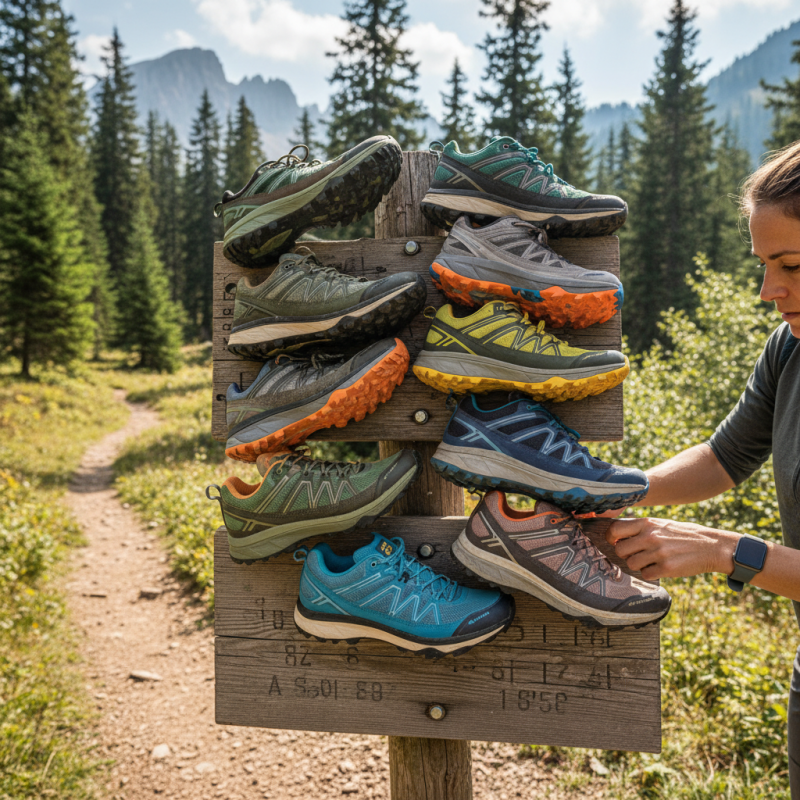
When choosing hiking running shoes, comfort should be a top priority. A well-fitted shoe eases pressure points, preventing blisters. Test shoes with proper socks to replicate actual conditions. An adequate toe box allows feet to expand, especially on long hikes.
Traction is another crucial factor. Look for a robust outsole with good grip, especially if you navigate rocky paths or wet surfaces. The tread pattern can significantly impact performance. Lighter shoes are great for speed but may lack stability on uneven ground.
Consider breathability and insulation. Some shoes offer mesh uppers for ventilation, while others provide waterproof protection. Think about the season and terrain. Durable materials are essential, but they should not add excessive weight. Striking a balance between protection and comfort is vital. Reflecting on personal needs will guide your choice.
Key Features of High-Performance Hiking Running Shoes
When choosing high-performance hiking running shoes, there are key features to consider. Comfort is essential. Shoes should fit well and provide ample cushioning for long trails. Look for breathable materials that keep your feet dry and cool during intense activities. A snug fit can prevent blisters.
Grip and traction are critical for stability on uneven terrain. Shoes with a rugged outsole will help you navigate slippery surfaces. Lighter weight options often allow for quicker movements. However, ensure they still offer adequate support for your ankles. The right balance of flexibility and firmness can improve your stride.
Reflecting on your personal needs is vital. Some runners prefer a minimalist shoe for a natural feel. Others may need more structure and support due to past injuries. Listen to your body and consider how different shoes respond to your unique gait. Testing various options can reveal insights that reviews may overlook. This process can be enlightening, leading you to discover what really works for you.
Top 10 Hiking Running Shoes for Outdoor Enthusiasts
| Shoe Model |
Weight (oz) |
Drop (mm) |
Terrain Type |
Water Resistance |
Cushioning |
| Model A |
10.5 |
8 |
Rugged |
Yes |
Moderate |
| Model B |
9.0 |
6 |
Mixed |
No |
High |
| Model C |
11.2 |
10 |
Rocky |
Yes |
Low |
| Model D |
9.5 |
5 |
Smooth |
No |
Moderate |
| Model E |
10.0 |
8 |
Wet |
Yes |
High |
| Model F |
12.0 |
12 |
Hilly |
No |
Moderate |
| Model G |
10.8 |
9 |
Flat |
Yes |
Low |
| Model H |
11.5 |
7 |
Mud |
Yes |
High |
| Model I |
9.8 |
10 |
Rocky |
No |
Moderate |
| Model J |
10.3 |
8 |
Mixed |
Yes |
High |
Comparison of Popular Hiking Running Shoe Brands
Selecting the right hiking running shoes involves understanding the nuances of various brands. According to a recent industry report, around 45% of outdoor enthusiasts prioritize cushioning and support. Many brands offer specialized features like enhanced grip for rocky terrains, but the effectiveness varies significantly.
Research indicates that shoe weight directly impacts performance. For instance, lighter options can improve speed but may sacrifice durability. A study found that 30% of runners experienced injuries linked to inadequate shoe support. It's important to test shoes in various conditions.
Customer feedback reveals that fit can be a crucial factor. Many enthusiasts recommend trying shoes later in the day when feet are naturally swollen. This ensures a better fit, reducing potential blisters and discomfort. Ignoring these details can lead to a less enjoyable outdoor experience. Each factor plays a significant role in choosing the right footwear, and overlooking them could hinder your adventure.
Expert Recommendations for Trail Conditions
When choosing hiking and running shoes, understanding trail conditions is crucial. Different terrains demand specific features in footwear. For rocky paths, opt for shoes with enhanced toe protection. These safeguard your feet from sharp edges. In muddy areas, look for shoes with deep lugs. They provide traction, preventing slips.
**Tips for Selecting the Right Shoes:**
Consider fit and comfort. Try on shoes with the socks you plan to wear. Remember, your feet swell during hikes. A snug fit can quickly become uncomfortable. Take a short walk to assess comfort. Shoes should feel secure, not constrictive.
In dry climates, moisture-wicking shoes are essential. This prevents blisters and keeps your feet dry. Don’t overlook breathability. Shoes that allow airflow keep feet cool. Reflect on your needs based on the environment. Evaluate where you’ll most often hike or run. Prioritize functionality over style for durability and performance.
User Reviews Highlighting Comfort and Durability
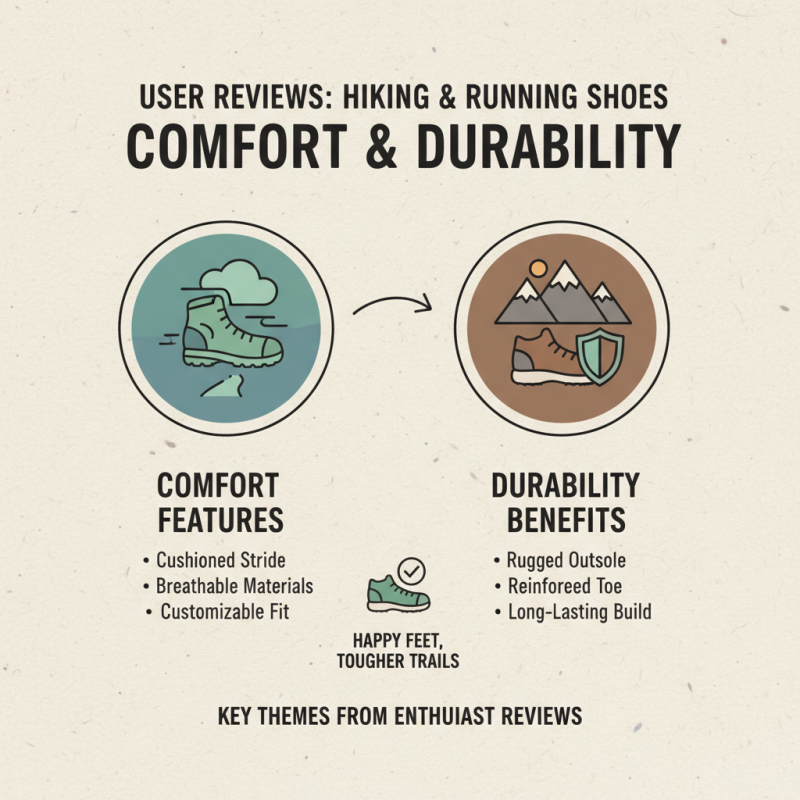
When searching for the perfect hiking and running shoes, user reviews play a vital role. Comfort and durability emerge as key themes across many reviews. Enthusiasts report that well-cushioned shoes allow for a smooth stride on uneven terrain. Users appreciate features like breathable materials that keep feet dry during tougher hikes. Some mention how a customizable fit can greatly enhance comfort levels.
Durability is another frequent topic in reviews. Shoes that withstand rough conditions receive high praise. Many users describe the importance of robust outsoles, particularly for rocky trails. They note signs of wear and tear, urging others to reconsider their choices after a few hikes. Some shoes fall short, making it clear that not all are built to last.
Moreover, hikers often reflect on their choices after testing various models. Comfort is subjective, and user experiences can differ. There is no one-size-fits-all solution. Addressing personal needs is crucial. It’s clear that each adventure teaches valuable lessons about the right footwear. Relying solely on brand names may lead to disappointment. A thoughtful review process aids in making informed choices.